


This essay was adapted from a 2025 speech at the Frist Museum of Art in Nashville Tennessee, by Shabazz Larkin
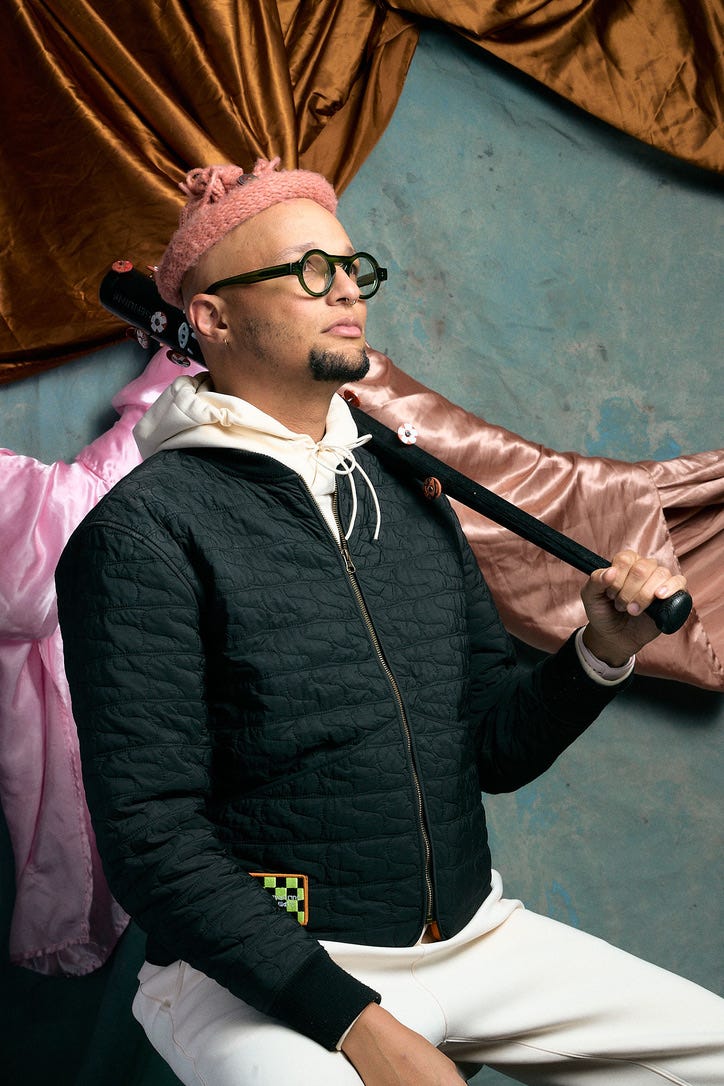
In February, we gather to ask a profound question to the artists of our community. Which is a beautiful question to ask.
And in the era of history being ripped out of our schools and out of the public conversation when there is an invitation to teach Black history, I think it’s important to take it.
And this time of year we always go about the business of unraveling what it means to be Black. But you can’t study Blackness without studying Whiteness.
How many people here know where the term Whiteness comes from?
You can’t actually be from Whiteness. You can be from Tennessee or Germany or from the Mississippi, or from America or from the West, but Whiteness is no place.
For those of you that go around and say that you’re just white, I invite you to find out where we’re really from.
Because identifying as White is a choice.
Whiteness is not a nationality; it’s a power structure designed to oppress African American people. But then it went on to suppress all brown people.
So for those that identify as White, consider the history of where this idea comes from. Maybe you don’t have to identify with the power structure.
When I was a kid, I just thought that Whiteness is something that existed before time. This bizarre idea was designed that way.
In the 1700s in the United States of America, there was no White or Black.
There was just rich and poor.
As you could imagine, early American life was tough, rough, and profits were slim Pickens. the rich, ruled the ships, which means they ruled the government, which means they ruled the jobs and the way of life. They set the plans, and the poor people did the work.
But! the poor outnumbered the rich. So the rich had to listen to them; they had to hear them when they said they needed more money or more food or more privileges. Or Opportunity.
But the rich knew. If they paid everybody more money and gave everybody more privileges, there wouldn’t be enough money and privileges to go around for themselves.
So they thought, “ I wish there was a way to divide up these people into classes where we can give some of them more money and more opportunities to keep them all believing they can get those opportunities”
They thought if they could divide the poor then they would have less loyalty to each other, less cohesion on what they wanted, and with less cohesion means less power, and when the poor have less power, the rich get more rich.
They decided to invent the idea of American whiteness. Those from European countries would ban together, in what they call the great white race. White because it was superior to those of the African diaspora. They had to convince themselves that the people of the African diaspora were not even human. How would they get the same rights as actual men?
And that is exactly what they did. It was a very successful and early DEI program.
All kinds of poor people from all over the world.
I mean all over Europe. Got to take a bite out of what they call the American dream. A chance for everybody to get ahead.
Everybody but the children of the African diaspora.
Capitalism. An idea that requires claiming land and cheap labor.
Now, we know how the story goes from here.
The children of African were dehumanized. Profitable like a horse or an ox, but not like a fellow man. They were enslaved, paid no wages, separated from their families, beaten, killed, and raped for centuries after.
Let me repeat, centuries.
If I were an alien hearing this story for the first time, I would assume the children of Africa would contribute nothing to American society. How could they? Maybe they would burn it down into an anarchist hole of chaos. When I was a kid, in my history books, the only thing that they said about my African ancestors was that they were slaves. No stories. No heroes. No founding fatherdom. No great contributions outside of peanuts and MLK.
But history tells us that this couldn’t be further from the truth.
(film by Rich Spirit )
Black people built the infrastructure for this country; we advocated for laws that made equality a mandate. From black culture, every American genre of music was made: gospel, jazz, bebop, rock, R&B, blues, country, soul, rap, dance, house, hip-hop.
All black music.
All American music is black music.
There was no American Theatre until there was black theater. We invented improvisation as a theatrical American staple and musical treasure. Picasso was known as the greatest artist to ever live by using African ideas in his art. Black people are the inventors of American barbecue and soul food. We are champions of sports and spirituality. The black creative has an influence that reaches around the globe.
As legend has it, the term BLACK (or NEGRO) took a long time to catch on. It’s a term that was meant to curse the souls of Africa. It was an idea meant to mark us as the lesser people. Opposite to whiteness. But overtime, and after centuries of unfair wages, brutal living and Jim Crow laws and redlines and all the horrible plans that continue to try and divide us even up to today.
We took this curse and made it our power and pride.
The irony of what the idea of whiteness has done is that it was meant to usurp the power of Black people, but it’s actually worked to reveal the power.
The black creative has subverted this curse continually overtime.
And overtime, our contributions have been stolen, white labeled repackage with the new face that isn’t ours.
And this is the reason it’s so important today - to ask the question:
how do we celebrate the black creative?
But a better question might be, how do you?
-
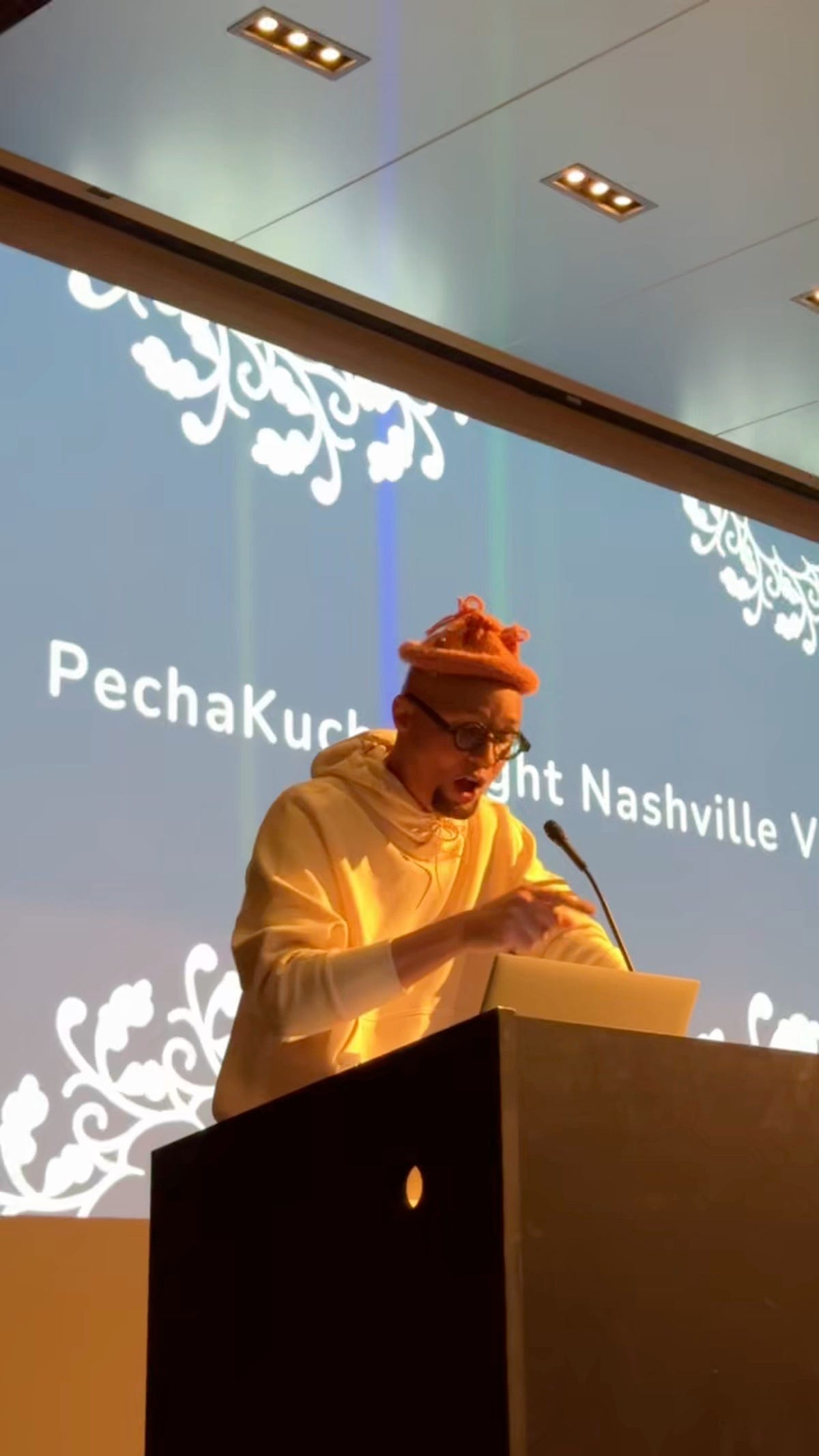
I’m the host of a podcast called Museum of Presence. We tell the stories through the lens of the creative community here in Nashville and beyond. Our latest episode we released features Maria Magdalena Compos Pons - a Cuban black woman that showed right here at the Frist. Our next episode features Brenda Morrow, who is an activist fighting to keep a park in the hands of the community. A park that dons the name of the first black artist to ever show at the moma, from right here in Nashville, William Edmondson Park. She keeps fighting. And she keeps winning.
This season of Museum of Presence, we’re talking to Chuck indigo. Isaac Kirk. Trenton wheeler and many more.
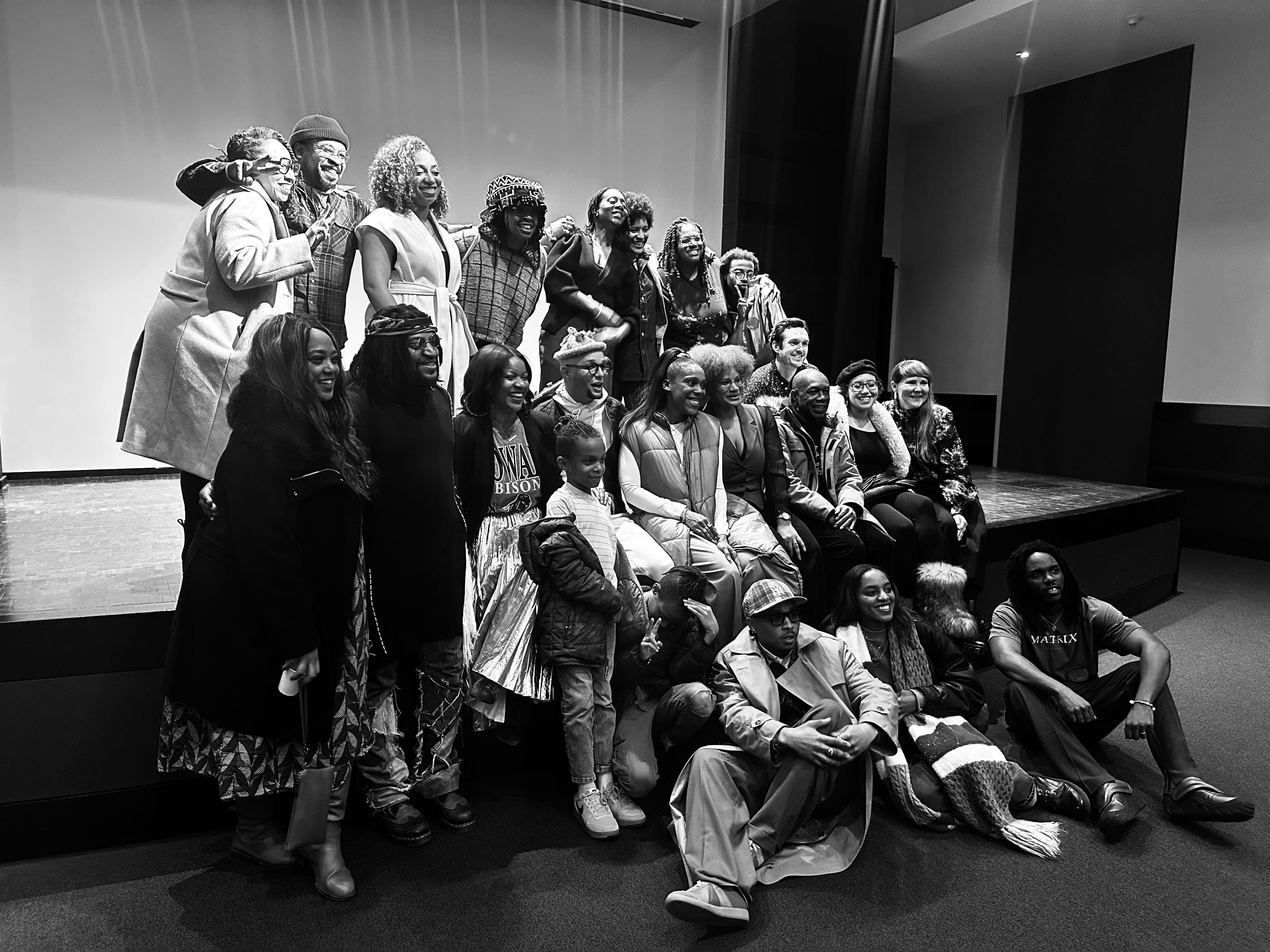
My Name is Shabazz Larkin and I’m proud to bring these incredible humans and children of Africa to the stage.
The film clip inserted above was made by Rich Spirit who also produces BLACKNEWS. It is not at all related to this post’s content creators, but thought it is a great punctuation to the essay. You can see their work on their instagram channel or a museum near you.