


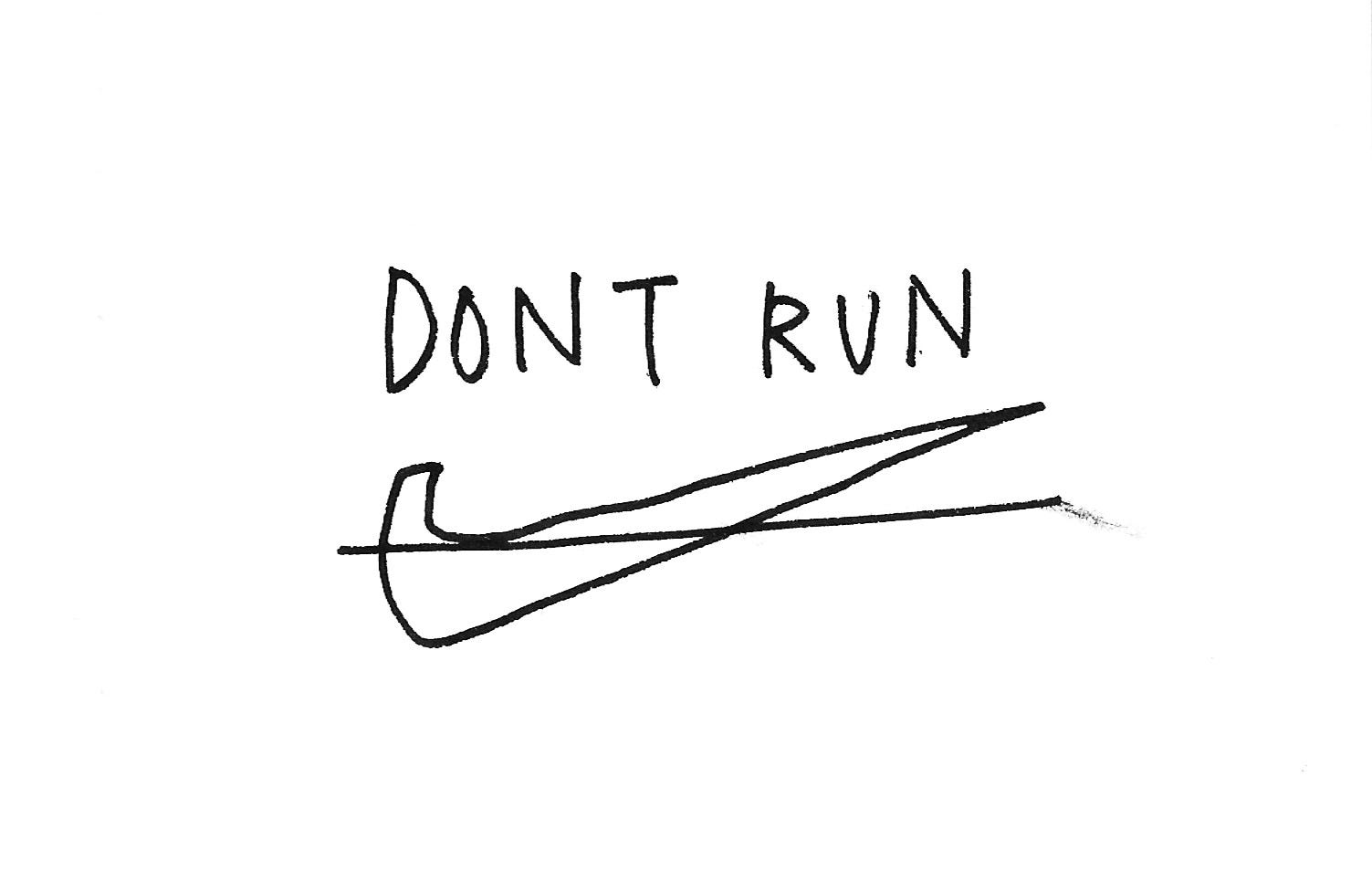
It’s a lovely thing to find relaxation in meditation. When I began practicing, that was the only thing I thought meditation was for. That’s what the apps sold me: peace, calm, serenity and good vibes. In some ways, that worked.
My practice changed the way I related to my body and my mind in profound ways.
But it didn’t change the way I related to my world and the suffering I felt until my practice met the Dharma.
I’ve come to know the meaning of Dharma as “the natural way things unfold.” But is most commonly known as the teachings of Gautama, the enlightened one - AKA the Buddha.
Before meeting the Dharma for myself, it was like trying to grow flowers without dirt.
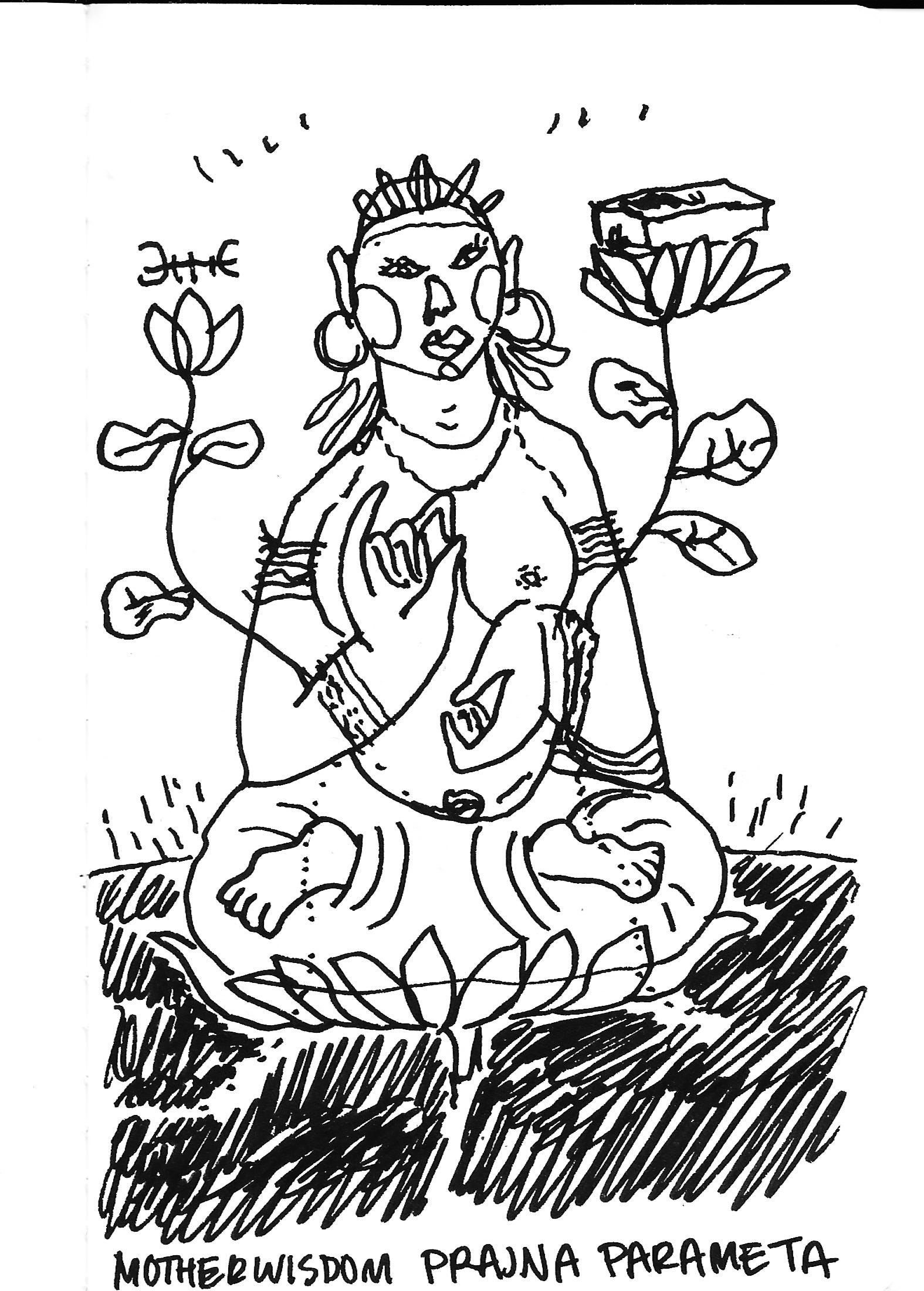
This is a common move in the West: to teach Buddhist outcomes without naming Buddhist teachings. The wisdom is still there, but the lineage is scrubbed clean.
Some of the most influential breakthroughs in modern mental health come directly from these teachings. You’d never know it, though.
The serial numbers have all been scratched off.
Here are a few thinly veiled and widely used Buddhist practices:
Mindfulness-Based Stress Reduction (MBSR) by Jon Kabat-Zinn
Introduced meditation into clinical medicine by translating contemplative practices into a secular therapeutic framework focused on stress, pain, and illness.
Internal Family Systems (IFS) by Richard Schwartz
Works with inner “parts” and a calm, centered Self that relates to them without judgment or force.
Acceptance and Commitment Therapy (ACT) by Steven C. Hayes
Teaches people to notice thoughts without obeying them and to live from values rather than avoidance.
Dialectical Behavior Therapy (DBT) by Marsha Linehan
Builds emotional regulation by holding opposing truths at the same time.
Somatic Experiencing (SE) by Peter Levine
Resolves trauma by tracking sensation in the body rather than reliving the story.
Compassion-Focused Therapy (CFT) by Paul Gilbert
Treats shame and self-attack by cultivating internal safety and warmth.
Hakomi Method by Ron Kurtz
Uses gentle inquiry into present experience to surface core beliefs and organizing patterns.
Sensorimotor Psychotherapy by Pat Ogden
Integrates body awareness with talk therapy to work with trauma stored in movement and posture.
Mentalization-Based Therapy (MBT) by Peter Fonagy & Anthony Bateman
Strengthens the ability to observe one’s own mind and the minds of others without collapsing into certainty or reactivity.
Non-Pathologizing / Strength-Based Models by multiple clinicians and traditions
Frame symptoms as adaptive responses rather than defects to be eliminated.
To be fair, this wasn’t a con. It was a strategy. Jon Kabat-Zinn has been open about the fact that he translated the practice on purpose, so it could survive in hospitals, universities, and ordinary American life without getting dismissed as “flaky.”
“I bent over backwards to make sure that [mindfulness] wasn’t Buddhism, that it wasn’t New Age, that it wasn’t Eastern mysticism… so that it would be acceptable in the mainstream.”
Jon Kabat-Zinn
And in his own writing, he also names the source plainly: MBSR was developed as “one of a possibly infinite number of skillful means for bringing the dharma into mainstream settings.”
That move opened the door for millions. But it also created a western environment where people can receive half the Buddhist outcomes while never meeting the whole Buddhist Dharma.
In the western world we like to create shortcuts to peace. But, beware of shortcuts to peace.
_/|\_
Today, my practice looks a bit different. It still offers a great deal of peace and calm, but not the way it once did.
It feels more like that scene in the Christian Bale version of Batman Begins, where he trains to become some kind of samurai in the League of Shadows—then he goes back to Gotham, still as Bruce Wayne and meets his deepest fear. He descends into that dark cave, surrounded by thousands of bats, engulfed by the very thing that once paralyzed him with fear. He doesn’t fight them. He doesn’t escape. He stands still in the middle of it all. And he rises from that walking nightmare as The Batman.
For a long time, my meditation practice was the opposite of that. If anything distracted me—noise, discomfort, restlessness, big emotions—I believed it wasn’t a “good” meditation. If the conditions weren’t quiet, clean, serene, I thought the practice was a failure.
Now I’ve come to learn that my distractions aren’t distractions.
If everything is calm and pleasant, if nothing is tugging at me, that’s usually when the practice produces the least insight. The discomforts, the interruptions, the agitation—those aren’t distractions. They’re the curriculum.
What I’m learning is how to include everything.
To be open and flexible like seaweed on the ocean floor—bending, swaying, moving with turbulence—rather than rigid like a dry twig in a windstorm, snapping the moment the pressure gets too real.
Off the cushion, this has changed everything too.
My practice now teaches me that the things that scare me—the rooms I want to leave, the conversations I want to exit, the sensations that tell me I can’t be here—those are the exact places where my power is waiting to teach. Those are the places where true peace is forged by fire.
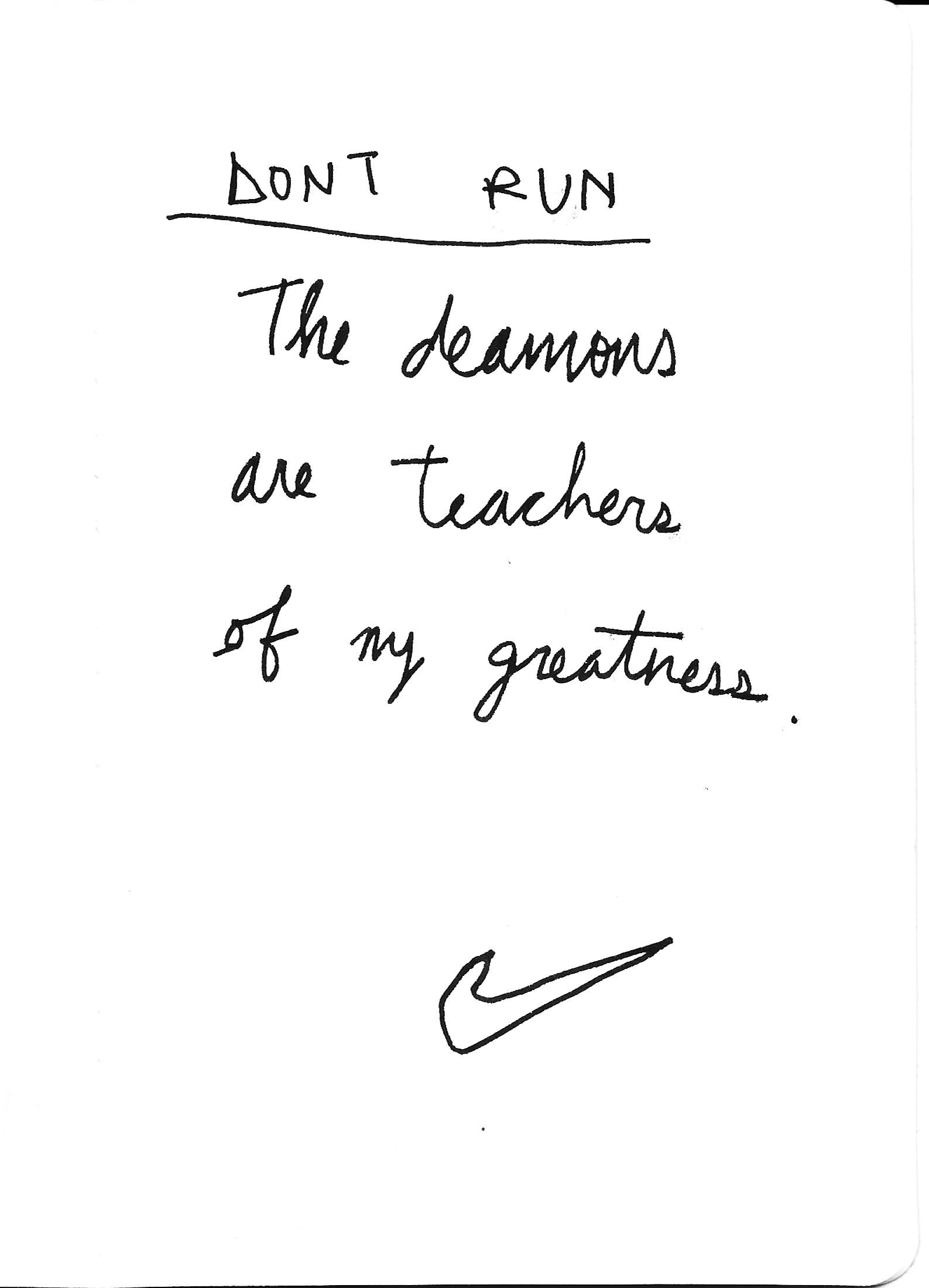
So instead of bolting, I’m training to stay.
Instead of numbing or drugging, I’m training to feel.
Instead of running, I’m training to stand still.
If I can stare down the things I’m convinced I can’t do - the things I’m sure I can’t live without - I learn my power.
That’s when my meditation practice meets the Dharma.
It’s a much longer road to peace, (a bumpier road too) but the calm I’m learning now doesn’t come from forcing myself to relax. It comes from allowing myself to wake up. From opening the eyes of my heart instead of armoring them.
This is the bodhicitta - the awakened heart - the willingness to stay present with what is, even when it’s uncomfortable or frightening or feels impossible.
I don’t practice so I can escape the world anymore. I practice so I can stand fully inside it. Like Bruce Wayne without the muscles or the money, I’m discovering I can do all kinds of things I thought I couldn’t, everyday.
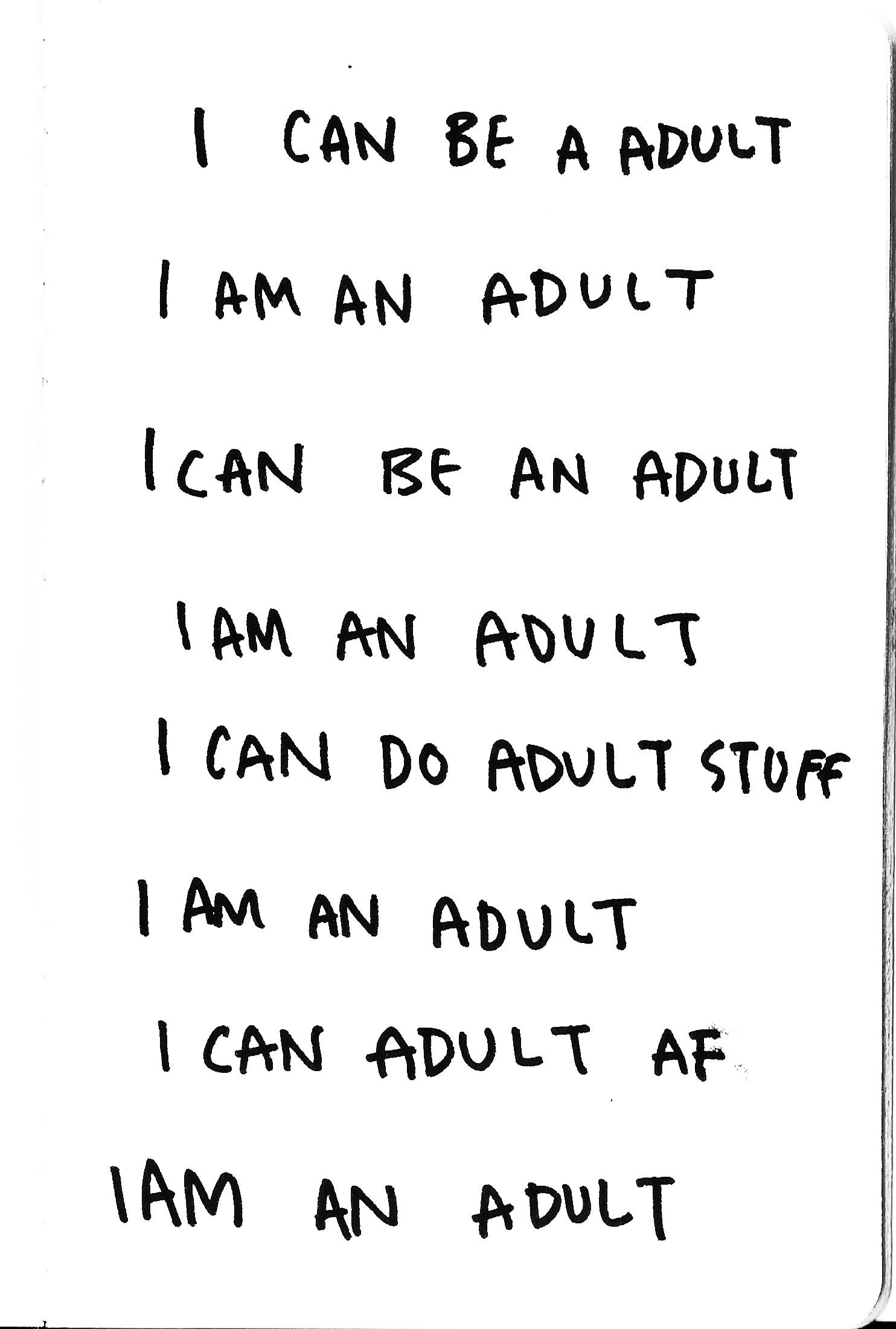
And by learning that I can be still in the very places I want to run from, I’ve found a deeper, more sustaining, almost supernatural calm—the kind the Dharma has been pointing to all along.
Fav quotes -
“What I’m learning is how to include everything.”
“I can adult af”